
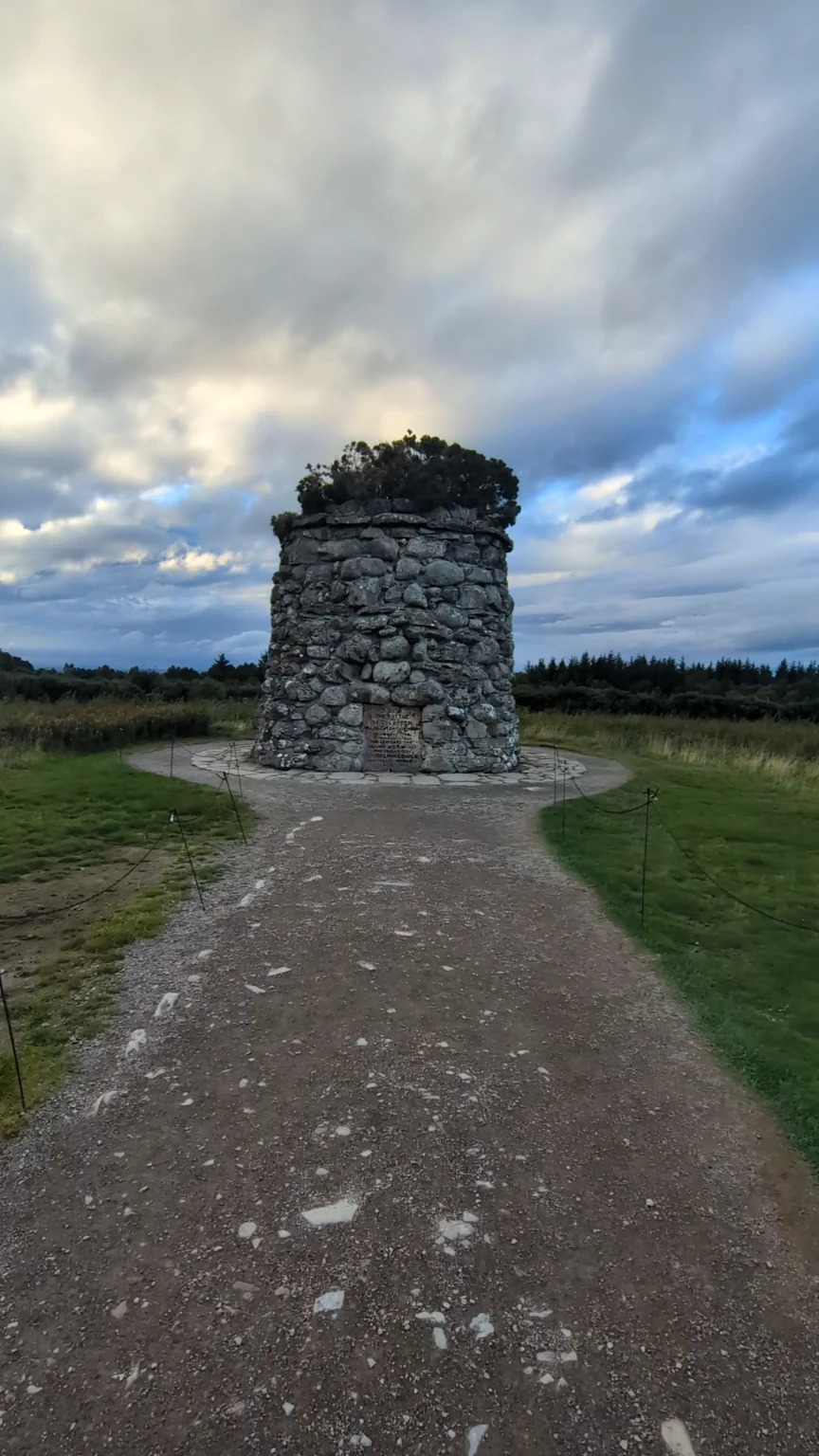
A Cause is Born
The Jacobite story did not begin with Bonnie Prince Charlie or Culloden. It began with the fall of a king.
14 min read · 6 parts
Part One: A Cause is Born
The Jacobite story did not begin with Bonnie Prince Charlie or Culloden. It began with the fall of a king. In 1685, James VII of Scotland and II of England took the throne. His succession was lawful, but his Catholic faith and belief in strong royal authority alarmed a largely Protestant political class. When his son was born in 1688, raising the prospect of a lasting Catholic dynasty, opposition hardened.
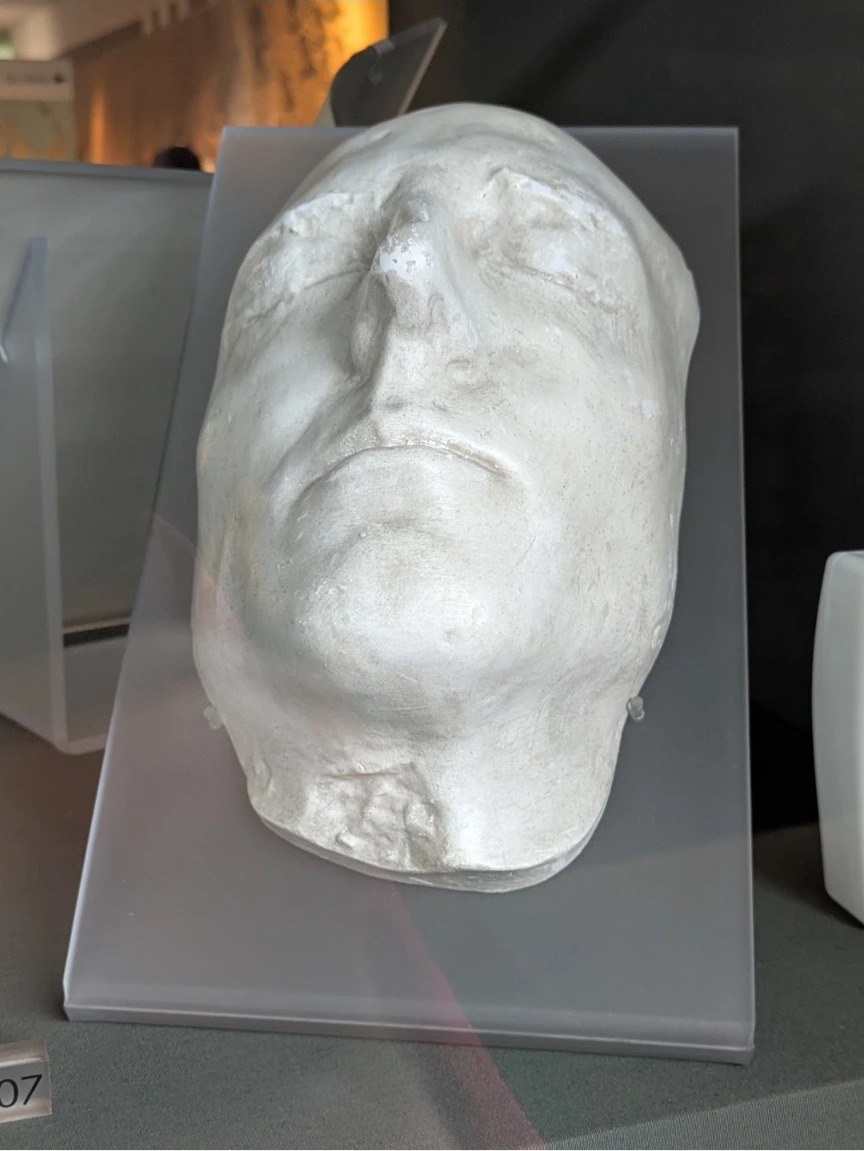
That same year, William of Orange, husband of James’s Protestant daughter Mary, was invited to intervene. James fled into exile, and William and Mary were placed on the throne in what became known as the Glorious Revolution. But to James’s supporters, there was nothing glorious about it. They saw it as a usurpation. The rightful king had been driven out, and no political settlement could undo his claim by birth.
In Scotland, James was known as Jacobus — the Latin for James. Therefore, a follower or a supporter of Jacobus became a Jacobite. Historians are clear that Jacobitism was never a single, simple movement. It was not only Highland, nor only Catholic. In Scotland, many supporters were Protestant Episcopalians. In Ireland, Jacobitism often carried hopes of Catholic restoration. In England, some were drawn by older ideas of hereditary monarchy and resistance to the post-1688 order. It became a broad and flexible cause, shaped by religion, politics, and loyalty.
In Scotland, tensions quickly turned to action. In 1689, John Graham of Claverhouse, Viscount Dundee, led a rising in support of James. It was the first major Jacobite challenge and showed that this was not just a theoretical dispute — men were willing to fight for it.
At its core, the Jacobite cause raised a deeper question: what makes a king legitimate? Is it bloodline and divine right, or the will of a nation and its laws?
Part Two: The 1715
By the early 18th century, the Jacobite cause had not disappeared - it had simply been waiting. Lurking in the shadows, waiting for a sign that the time was right to reveal itself once more. In 1707, Scotland and England had joined together in the Act of Union. The United Kingdom was formed, and indeed it has lasted until this day. Yet, like today, the Union has always been a point of contention for many in Scotland. Some of those who wanted a return to an independent Scotland saw Jacobitism as the remedy to Union with England.

This was intensified further in 1714, when Queen Anne died without an heir. Under the terms of the Act of Settlement, the crown passed not to the exiled Stuart line, but to George, Elector of Hanover. He became George I of Great Britain. To many, this ensured a stable Protestant succession. But to Jacobites, it confirmed their fears - the rightful line had been deliberately bypassed.
James Francis Edward Stuart, the son of James VII and II, was still in exile. To his supporters, he was James VIII of Scotland and III of England. The moment seemed right to restore him. In Scotland, leadership fell to John Erskine, Earl of Mar. A politically ambitious and somewhat unpredictable figure, Mar had previously supported the government but now switched sides. In September 1715, he raised the Jacobite standard at Braemar, calling clans and supporters to arms.
The response was significant, though uneven. Much of the north and parts of the Highlands rallied. But crucially, support was not universal. Many powerful clans stayed neutral, and others sided with the government. Jacobitism was never a united movement. That lack of cohesion would prove decisive.
Mar’s army grew to several thousand men, but leadership quickly became a problem. He lacked clear strategy and decisive command. In November 1715, his forces met a government army at the Battle of Sheriffmuir, near Stirling. The battle itself was confused and inconclusive. One wing of the Jacobite army drove the government forces back, while the other collapsed under pressure. By the end of the day, neither side had secured a clear victory. Strategically, however, it was a failure for the Jacobites. They had not broken government control, nor advanced their position.
Meanwhile, in England, a smaller Jacobite rising failed to gain momentum and was defeated at Preston. This highlighted a critical weakness: without strong English support, any attempt to restore the Stuarts faced enormous limits. James himself arrived in Scotland in December 1715 - but too late to change the outcome. By then, momentum had stalled, and government forces were regaining control. Within weeks, it was clear the rising had failed. James returned to exile, and Mar followed soon after.
Experts tend to view the 1715 uprising as a missed opportunity rather than a decisive collapse. The Jacobites had numbers, and for a moment, they had momentum. But poor leadership, divided support, and lack of coordination undermined the effort. More importantly, the rising exposed a pattern that would repeat. The Jacobite cause could inspire loyalty and raise armies - but turning that into victory required unity, leadership, and wider backing that it struggled to achieve.
The cause was not finished. But after 1715, it was clear that restoring the Stuarts would not be simple. Any future attempt to restore the Stewart family to the throne would need more than belief alone.
Part Three: The Bonnie Prince Returns
Time passed, as it does. And the Scottish people continued to survive as the new order consolidated itself. But underneath, there was discontent. Old wounds had not yet fully healed. And for the first time in a generation, it looked as though the Jacobite cause might succeed.

Thirty years after the failure of 1715, the Jacobite cause was still alive — but few expected it to rise again so suddenly. In July 1745, Charles Edward Stuart, the son of James Francis Edward Stuart, landed on the west coast of Scotland. To his supporters, he was Charles III.
To his detractors he was the ‘Young Pretender.’ In history, he would become known as Bonnie Prince Charlie. His arrival was not backed by a large army or overwhelming French support. In fact, many emphasise just how uncertain his position was. He arrived with only a small group of companions, limited funds, and no guarantee that the Highland clans would rise for him. Even some leading Jacobites urged caution, warning that without substantial foreign aid, the attempt was dangerously premature.
But Charles believed the moment had come. He travelled through the Hebrides and onto the mainland, seeking support. At first, the response was hesitant. Clan chiefs knew the risks. Yet gradually, support began to build. Key figures, including Donald Cameron of Lochiel, chose to commit. That decision proved pivotal. Once Lochiel joined, others followed.
What had seemed like a reckless gamble began to take shape as a real uprising. In August 1745, at Glenfinnan, Charles raised his standard. It was a symbolic moment. The formal declaration that the Jacobite cause had returned. Clans gathered, and an army began to form.
Historians often point to this phase as one of belief and momentum. Charles brought something that earlier efforts had lacked: personal presence, charisma, and a sense of urgency. He was not a distant claimant in exile. He was there, in the Highlands, asking men to follow him.
And they did. Within weeks, the Jacobite army moved quickly and effectively. Government forces in Scotland were unprepared for the speed and coordination of the rising. In September 1745, at the Battle of Prestonpans, the Jacobites won a decisive victory. It was swift and overwhelming, demonstrating that the uprising was no longer a symbolic gesture. Instead, it was a serious military threat.
For a brief moment, the Jacobite cause seemed stronger than it had been in decades. Inverness fell under Jacobite control. Stirling fell under Jacobite control. Edinburgh fell under Jacobite control. And the government’s authority in Scotland was shaken. But even at this high point, underlying weaknesses remained. Support was still uneven. Not all clans had joined, and crucially, the broader British support that had been lacking in 1715 had not materialised. The army was strong, but its future direction and its chance of true success were far from certain.
Still, in the autumn of 1745, none of that seemed inevitable. The Prince had returned. The standard had been raised. Victories had been won.
Part Four: The Clans March South
After the victory at Prestonpans, the Jacobite cause stood at its strongest point in decades. Edinburgh had fallen, government forces in Scotland had been defeated, and Charles Edward Stuart now commanded a confident and growing army. For many of his supporters, this was no longer a rebellion on the fringes. It felt like the beginning of restoration.
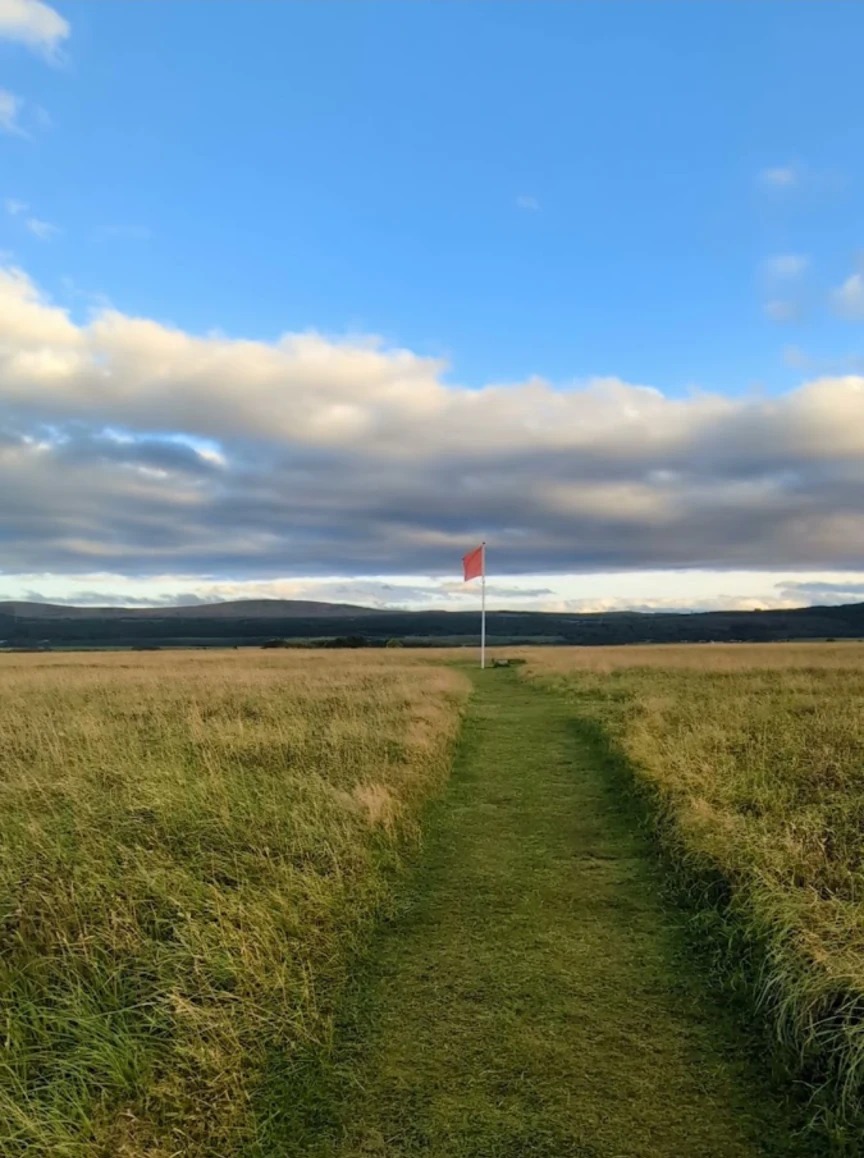
But success in Scotland was only part of the challenge. If the Stuarts were to regain the throne, it would not be decided in the Highlands or even in Edinburgh. It would be decided in England. The question was no longer whether the Jacobites could rise.
It was whether they could take the fight south and win broader support. Charles believed they could. Undoubtedly, this was a critical moment. The Prince was determined to press on, convinced that English Jacobites would rise once he crossed the border, and that French support would follow. Some of his senior commanders were less certain. They understood the risks. The army was relatively small, supply lines were fragile, and support outside Scotland remained unclear.
Despite these concerns, the decision was made. In November 1745, the Jacobite army marched south into England. At first, the advance was remarkably successful. Town after town fell with little resistance. Carlisle was taken, and the army pushed deeper into English territory. Government forces were slow to respond, and for a time, it seemed as though the Jacobites might achieve what had eluded them for generations.
But as they moved further south, the cracks began to show. The expected wave of English support did not materialise. While there were Jacobite sympathisers, few were willing to commit openly. The rising remained, in reality, a largely Scottish force operating deep in hostile territory. At the same time, government armies were gathering. The Duke of Cumberland was moving north, and other forces were positioning themselves to block the Jacobite advance.
Still, the army continued. By early December, the Jacobites had reached Derby. Just 125 miles from London. It was the furthest south any Jacobite army would ever march. For a brief moment, the possibility of success felt real. Panic spread in parts of England, and the government faced a situation far more serious than many had anticipated.
Yet this was also the point where momentum began to shift. At Derby, the Jacobite leadership faced a decision that would define the rest of the campaign. Intelligence suggested that large government forces were closing in. Crucially, the promised French invasion had not appeared, and English support remained limited.
Charles urged them to press on. His commanders disagreed. They argued that without reinforcements, without wider backing, and with government armies converging, continuing towards London would risk total destruction. After intense debate, the decision was made to turn back. The retreat north began. This moment at Derby was the turning point of the entire rising. It marked the end of Jacobite momentum and the beginning of a very different phase of the campaign.
The army that had marched south in confidence now faced the long journey back... with the initiative no longer in its hands.
Part Five: The Road to Disaster
The decision at Derby changed everything. What had been a bold advance towards London became a retreat north. The momentum that had carried the Jacobite army began to slip away. From here on, the initiative passed to the government. The retreat itself was disciplined, but difficult. The army moved quickly back through England, often outpacing government forces, and even won a sharp rearguard action at Clifton Moor. Yet the character of the campaign had shifted.
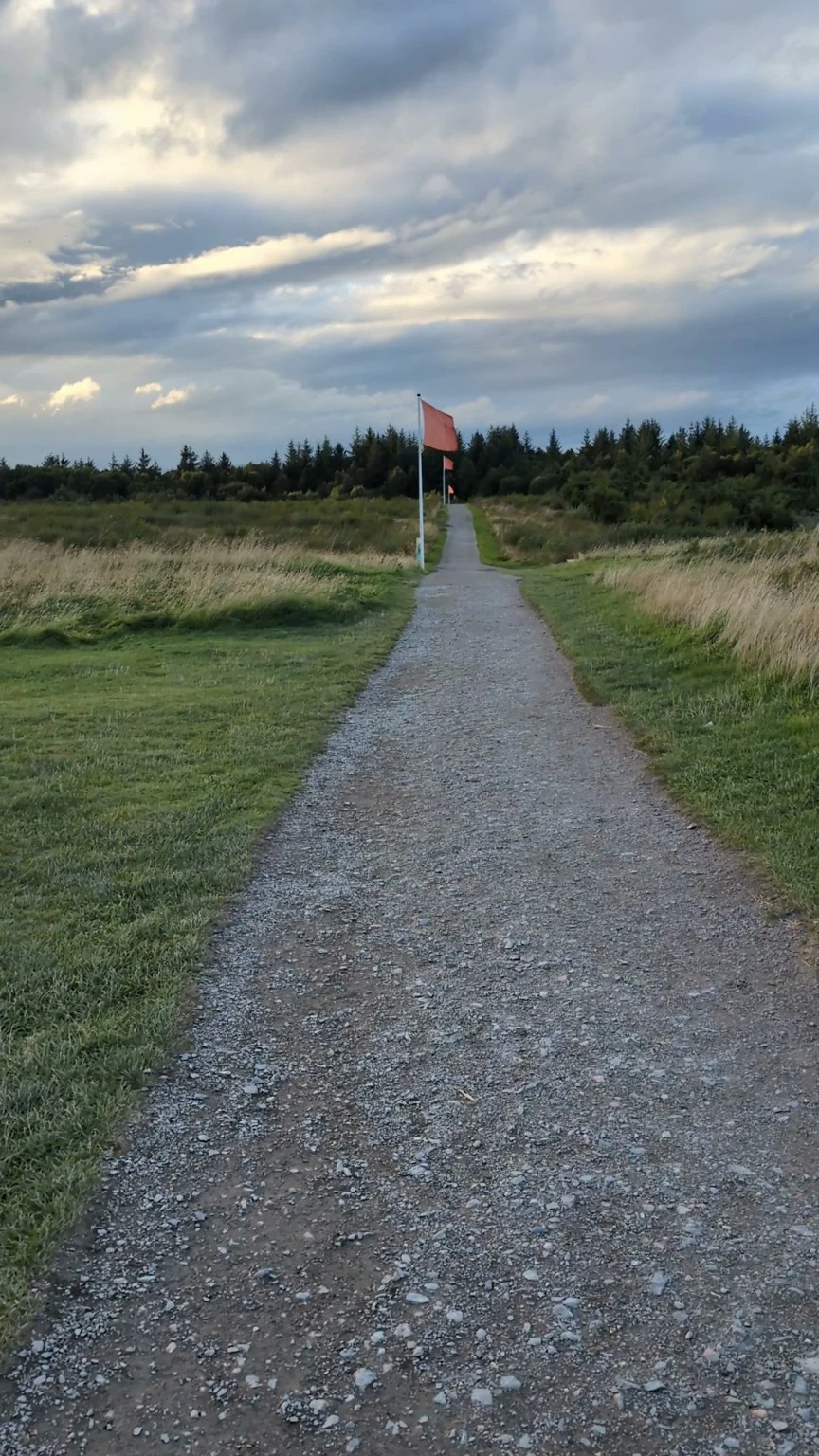
This was no longer an army advancing with confidence. Instead, it was one trying to escape encirclement. As they crossed back into Scotland, the Jacobites briefly regained some ground. In January 1746, they defeated a government force at Falkirk. It was a significant victory, but it failed to change the broader situation. Leadership remained divided, supplies were increasingly scarce, and coordination was breaking down.
More importantly, the government response had hardened. The Duke of Cumberland, son of George II, now led a determined and well-supplied army north. Unlike earlier phases of the campaign, the government forces were no longer slow or reactive. They were organised, reinforced, and focused on bringing the rising to a decisive end.
Meanwhile, the Jacobite army faced growing strain. Many of the clansmen who had followed Charles south began to drift away. The long campaign, lack of pay, and the need to return home all took their toll. What remained was still a fighting force, but it was no longer the confident army that had set out months before.
Strategically, the Jacobites were now on the defensive. Charles and his commanders disagreed over what to do next. Some argued for continuing a mobile, guerrilla-style campaign in the Highlands. This was a form of warfare that had long suited the terrain and the clans, yet it surely would tire out the people who the Jacobites had worked so hard to win over. Throughout history one thing is constant. Normal people would rather live in peace than in war.
Others, including Charles himself, favoured a decisive set-piece battle that might still turn the tide. Yet perhaps there was a chance that the Jacobites could have one last chance to avoid meeting on the battlefield... A grand plan was hatched. One so bold and ambitious that it may just work.
On the night before the battle of Culloden, the Jacobites attempted a desperate night march to surprise Cumberland's army at Nairn. The plan descended into confusion in the darkness. Hungry, exhausted, and unable to reach their objective in time, the army was forced to turn back. Many men arrived on Culloden Moor having marched through the night with little food and almost no rest.
So, on the 16th April 1746, that decision was made for them. The Jacobite army took up position near Inverness, on ground that did not favour their strengths. At Culloden Moor, they faced Cumberland’s forces in what would become the final confrontation of the rising.
The Jacobite army was exhausted, underfed, and poorly positioned. Cumberland’s troops were disciplined, well supplied, and prepared for the Highland charge that had brought the Jacobites success in earlier battles. When the fighting began, it was brief and devastating. The charge faltered under heavy fire. Units became disorganised. Within less than an hour, the Jacobite army had collapsed.
Culloden was not just a defeat. It was the end of the rising. For many in the Highlands, it was the beginning of something far more final.
Part Six: The Legacy of Jacobitism
Culloden ended the Jacobite rising. Yet, it did not end its story. In the immediate aftermath, the government response was swift and deliberate. The aim was not simply to defeat the Jacobites, but to prevent any future rising from ever taking place. The Highlands, which had provided much of the movement’s strength, became the focus.
The Duke of Cumberland, the man who had led the British Government forces at Culloden took another name. He became known as ‘The Butcher.’ And his name was well earned. He gave the order to kill those on the battlefield. In the days that followed Culloden, British government soldiers roamed the Highlands in violent revenge.
Measures were introduced to dismantle the traditional clan system. The Disarming Acts sought to remove weapons from the population. The wearing of Highland dress was restricted. The authority of clan chiefs that was once central to Highland society was steadily eroded, replaced by direct government control.
This was not a single moment of destruction, but a process. The old structures of loyalty, kinship, and military organisation were weakened over time. Culloden made that process possible, but it did not act alone. At the same time, the Jacobite cause itself faded as a political force. Charles Edward Stuart returned to exile, and although there were occasional plots and hopes of renewed support, no serious rising would follow. The Stewart claim to the throne remained, but it no longer carried the same urgency or belief.
Yet something else began to take shape. In the decades after Culloden, the memory of the Jacobites changed. What had been a living political cause became, gradually, something different. It became a romantic story. Writers, poets, and later historians began to reshape the narrative. The figure of Bonnie Prince Charlie, in particular, was transformed from a failed claimant into a symbol of loyalty, courage, and loss.
The Jacobite cause, stripped of its immediate political purpose, became part of a broader cultural identity. Songs, literature, and oral tradition preserved and reshaped the story, often focusing on the emotional experience rather than the political reality. At the same time, Scotland itself was changing. The later 18th and 19th centuries saw the growth of a new relationship between Scotland and the British state. Economic, social, and cultural shifts altered the landscape in ways that went far beyond the Jacobite question. The Highlands, in particular, would undergo further transformation in the years that followed.
And yet, the memory remained. Today, the Jacobite story is still present across Scotland — not only in well-known sites like Culloden, but in quieter places: ruined townships, remote glens, and unmarked graves. It survives in names, in traditions, and in the stories passed down through generations.
Historians tend to agree on one central point. The Jacobite cause failed in its immediate aim. The Stuarts were not restored. The political vision it represented did not succeed. But its legacy is harder to measure. It shaped how Scotland remembers its past. It influenced ideas of identity, loyalty, and nation. And perhaps most importantly, it left behind a story — one that continues to be told, reinterpreted, and felt.
The Jacobite cause may have ended in 1746. But its story never really did.