
Part Five: The Road to Disaster
The decision at Derby changed everything. What had been a bold advance towards London became a retreat north.
3 min read · 1 part
Part Five: The Road to Disaster
The decision at Derby changed everything. What had been a bold advance towards London became a retreat north. The momentum that had carried the Jacobite army began to slip away. From here on, the initiative passed to the government. The retreat itself was disciplined, but difficult. The army moved quickly back through England, often outpacing government forces, and even won a sharp rearguard action at Clifton Moor. Yet the character of the campaign had shifted.
This was no longer an army advancing with confidence. Instead, it was one trying to escape encirclement. As they crossed back into Scotland, the Jacobites briefly regained some ground. In January 1746, they defeated a government force at Falkirk. It was a significant victory, but it failed to change the broader situation. Leadership remained divided, supplies were increasingly scarce, and coordination was breaking down.
More importantly, the government response had hardened. The Duke of Cumberland, son of George II, now led a determined and well-supplied army north. Unlike earlier phases of the campaign, the government forces were no longer slow or reactive. They were organised, reinforced, and focused on bringing the rising to a decisive end.
Meanwhile, the Jacobite army faced growing strain. Many of the clansmen who had followed Charles south began to drift away. The long campaign, lack of pay, and the need to return home all took their toll. What remained was still a fighting force, but it was no longer the confident army that had set out months before.
Strategically, the Jacobites were now on the defensive. Charles and his commanders disagreed over what to do next. Some argued for continuing a mobile, guerrilla-style campaign in the Highlands. This was a form of warfare that had long suited the terrain and the clans, yet it surely would tire out the people who the Jacobites had worked so hard to win over. Throughout history one thing is constant. Normal people would rather live in peace than in war.
Others, including Charles himself, favoured a decisive set-piece battle that might still turn the tide. Yet perhaps there was a chance that the Jacobites could have one last chance to avoid meeting on the battlefield... A grand plan was hatched. One so bold and ambitious that it may just work.
On the night before the battle of Culloden, the Jacobites attempted a desperate night march to surprise Cumberland's army at Nairn. The plan descended into confusion in the darkness. Hungry, exhausted, and unable to reach their objective in time, the army was forced to turn back. Many men arrived on Culloden Moor having marched through the night with little food and almost no rest.
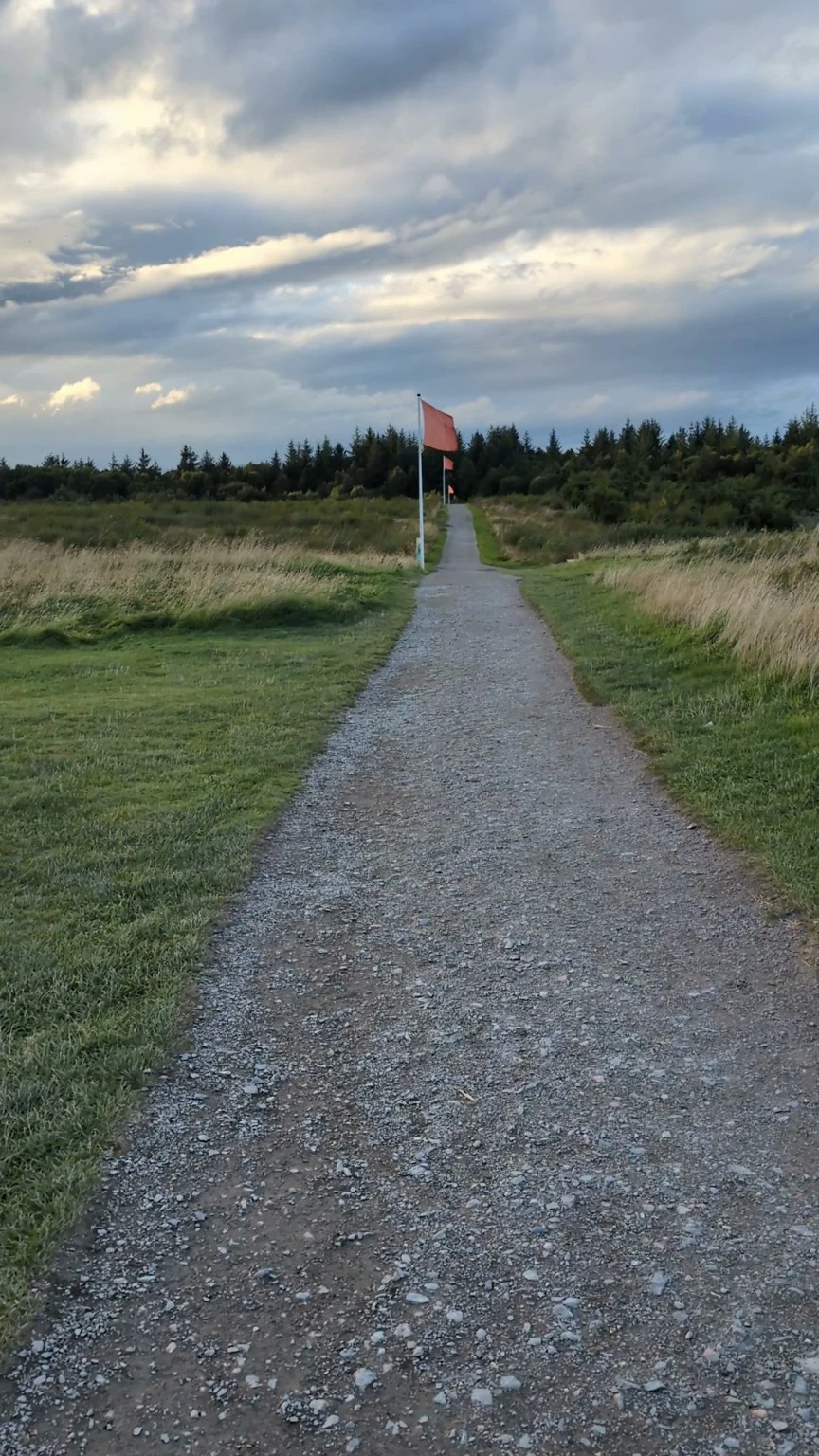
So, on the 16th April 1746, that decision was made for them. The Jacobite army took up position near Inverness, on ground that did not favour their strengths. At Culloden Moor, they faced Cumberland’s forces in what would become the final confrontation of the rising.
The Jacobite army was exhausted, underfed, and poorly positioned. Cumberland’s troops were disciplined, well supplied, and prepared for the Highland charge that had brought the Jacobites success in earlier battles. When the fighting began, it was brief and devastating. The charge faltered under heavy fire. Units became disorganised. Within less than an hour, the Jacobite army had collapsed.
Culloden was not just a defeat. It was the end of the rising. For many in the Highlands, it was the beginning of something far more final.