
Part Six: The Legacy of Jacobitism
Culloden ended the Jacobite rising. Yet, it did not end its story.
3 min read · 1 part
Part Six: The Legacy of Jacobitism
Culloden ended the Jacobite rising. Yet, it did not end its story. In the immediate aftermath, the government response was swift and deliberate. The aim was not simply to defeat the Jacobites, but to prevent any future rising from ever taking place. The Highlands, which had provided much of the movement’s strength, became the focus.
The Duke of Cumberland, the man who had led the British Government forces at Culloden took another name. He became known as ‘The Butcher.’ And his name was well earned. He gave the order to kill those on the battlefield. In the days that followed Culloden, British government soldiers roamed the Highlands in violent revenge.
Measures were introduced to dismantle the traditional clan system. The Disarming Acts sought to remove weapons from the population. The wearing of Highland dress was restricted. The authority of clan chiefs that was once central to Highland society was steadily eroded, replaced by direct government control.
This was not a single moment of destruction, but a process. The old structures of loyalty, kinship, and military organisation were weakened over time. Culloden made that process possible, but it did not act alone. At the same time, the Jacobite cause itself faded as a political force. Charles Edward Stuart returned to exile, and although there were occasional plots and hopes of renewed support, no serious rising would follow. The Stewart claim to the throne remained, but it no longer carried the same urgency or belief.
Yet something else began to take shape. In the decades after Culloden, the memory of the Jacobites changed. What had been a living political cause became, gradually, something different. It became a romantic story. Writers, poets, and later historians began to reshape the narrative. The figure of Bonnie Prince Charlie, in particular, was transformed from a failed claimant into a symbol of loyalty, courage, and loss.
The Jacobite cause, stripped of its immediate political purpose, became part of a broader cultural identity. Songs, literature, and oral tradition preserved and reshaped the story, often focusing on the emotional experience rather than the political reality. At the same time, Scotland itself was changing. The later 18th and 19th centuries saw the growth of a new relationship between Scotland and the British state. Economic, social, and cultural shifts altered the landscape in ways that went far beyond the Jacobite question. The Highlands, in particular, would undergo further transformation in the years that followed.
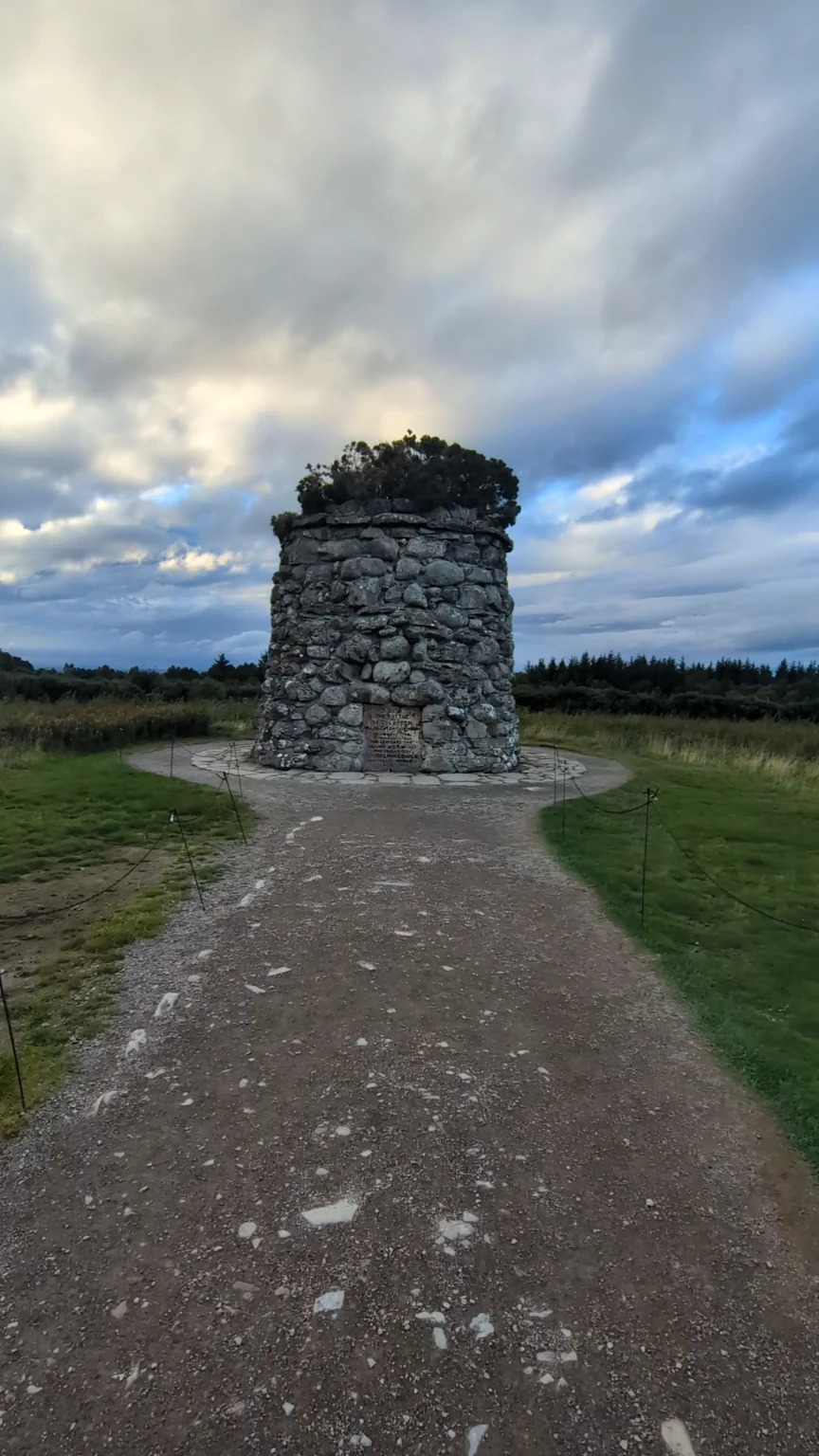
And yet, the memory remained. Today, the Jacobite story is still present across Scotland — not only in well-known sites like Culloden, but in quieter places: ruined townships, remote glens, and unmarked graves. It survives in names, in traditions, and in the stories passed down through generations.
Historians tend to agree on one central point. The Jacobite cause failed in its immediate aim. The Stuarts were not restored. The political vision it represented did not succeed. But its legacy is harder to measure. It shaped how Scotland remembers its past. It influenced ideas of identity, loyalty, and nation. And perhaps most importantly, it left behind a story — one that continues to be told, reinterpreted, and felt.
The Jacobite cause may have ended in 1746. But its story never really did.